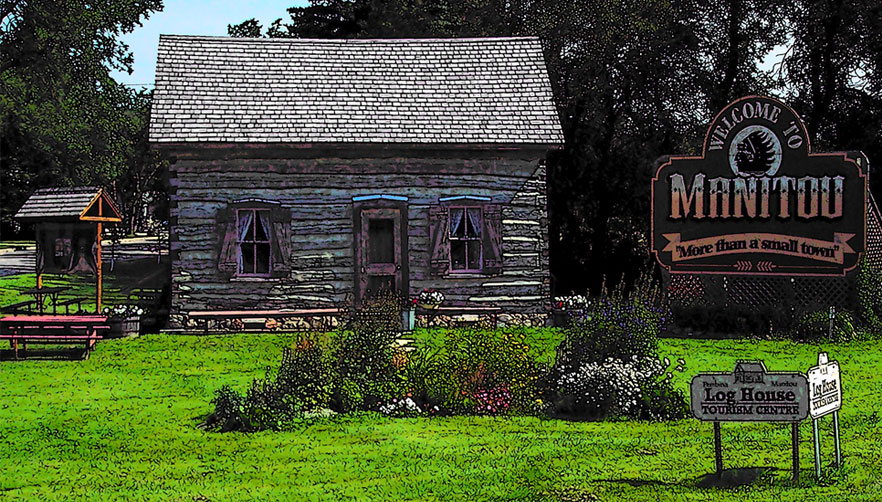
About the Pembina Manitou Culture & Heritage Committee
Statement of Archival First Principles
Acknowledgement
We begin by acknowledging the traditional territory which the Pembina Manitou Archive serves. For many thousands of years, the Anishinaabe, the Cree, the Oji-cree and the Métis nation have sought to walk gently on this land. They offered assistance to the first European travelers to this territory and shared their knowledge for survival in what was at times a harsh climate. We seek a new relationship with the Original Peoples of this land, one based in honour and deep respect.
Recognition of Period Ethnocentrism
Although ethnocentric and racist opinions may have been expressed by writers featured in period articles on this site, the committee in no way affirms or supports such attitudes.
Principle of Primary Sources
We recognize that archives are not bias free, that many documents are grounded in ethnocentric points of view. The Pembina Manitou Archive is committed, where possible, to hosting sources written by and from the point of view of the members of each community.
Pembina Manitou Archive - Who We Are
The Pembina Manitou Archive is a sub-committee of the Pembina Manitou Culture and Heritage Association, a group of volunteers who are interested in the preservation, awareness, and accessibility of our community's heritage. The committee works under the auspices of the Municipality of Pembina.
Guidelines for Collection Use
The documents preserved on the Pembina Manitou Archive website are available to all for research and educational purposes. Any use of the material, however, should recognize the source, the Pembina Manitou Archive, and the original author/publisher.
Copyright
The Pembina Manitou Archive has attempted to respect copyright on all documents and photographs in its collection. If you are aware of anyone whose copyright to materials on our site has been infringed, please forward their contact information to us as soon as possible. We will ensure that copyright is respected.
Right of Inspection
The Pembina Manitou Archive retains the right to inspect the product where an object or photograph from its collection is to be used in an advertisement or promotional display, to ensure the use is consistent with the organization's mandate and the author's intent and, where appropriate, the source is appropriately credited.
Contact Information
If you would like to contact us, please use the email address: pembinamanitouarchive@gmail.com
or call 204-242-4414.
Corporate Address
Pembina Manitou Archive
Box 651
Manitou MB R0G 1G0
Mission Statements
The Pembina Manitou Culture and Heritage Association sees as its purpose to:
- Provide information on the heritage and history of our community
- Provide information on historical events and initiatives to the community
- Host events which highlight aspects of our community's heritage
- Along with the Manitou Library, the Municipality of Pembina, and the Manitou Opera House Management Committee, to manage the growth and development of the physical collection of the Pembina Manitou Archive.
- Along with the Municipality of Pembina and our many volunteers, to build, maintain and promote the Pembina Manitou Virtual Archive.
Activities
These committees work in concert to:
- Ensure the preservation of our documentary, photographic and architectural heritage
- Undertake projects which will enhance the community's awareness of their heritage
- Host fundraising events which promote the work of the committee
- Manage the research and designation of Designated Heritage Sites in the district
- Designate sites which need recognition and ensure the designated properties/sites are appropriately marked
- Provide seed money, when possible, to groups wishing to begin a new Heritage Initiative
Pembina Manitou Archive Collections
As of 2025, the Pembina Manitou Archive's Virtual Library holds over 79,000 documents containing over 2,000,000 pages of text and photographs. There are over 2600 registered users of the web site.
The Pembina Manitou Archive's Physical Collection is housed in several buildings in Manitou. Initially, our partnership with the Manitou Regional Library provided sufficient shelving space to house the physical collection. Over the past few years, the collection has grown.
Through a partnership with the Manitou Opera House Foundation, an archival room with suitable moisture and temperature controls was added in the recently completed addition to the Manitou Opera House. The Manitou Opera House has served the community as a theatre and meeting place since 1930 and is used, on average, over 225 days of the year. Its archival area is easily accessible and facilitates research.
Over the past four years, the Pembina Manitou Archive has taken over responsibility for the archival collection of the Archibald Historical Museum.
Many of the documents currently online are still in the possession of their original owners. If you know of historical documents or photographs which would be of interest to the broader community, please contact the PMA to discuss including them in the digital collection. We could arrange digitization and then return the documents to you. If you chose to donate the originals to the PMA collection, that would also be appreciated.
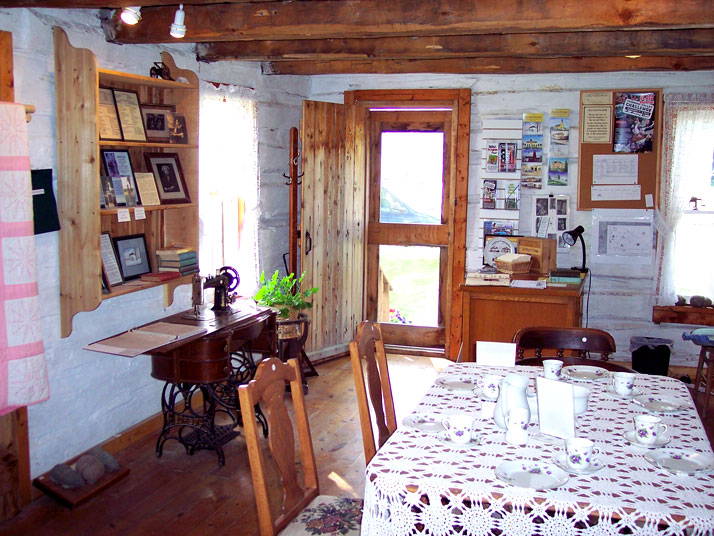
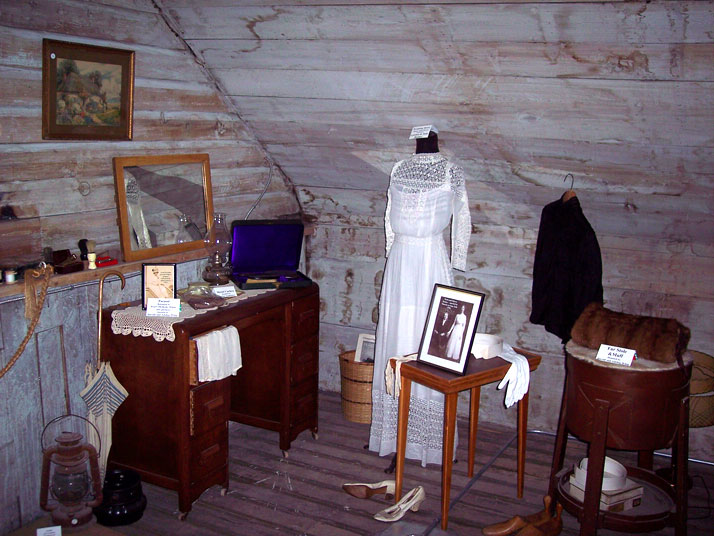
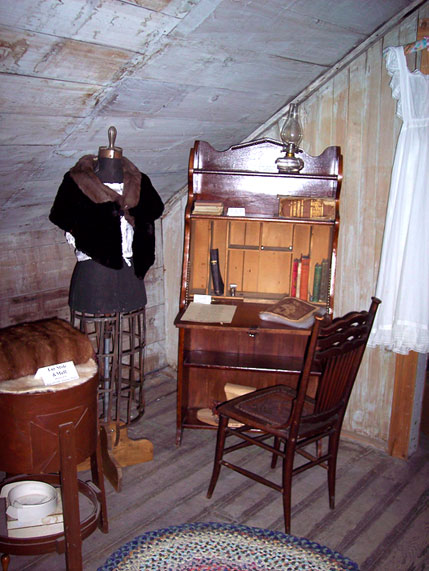
Manitou Log House Museum

Manitou LIbrary
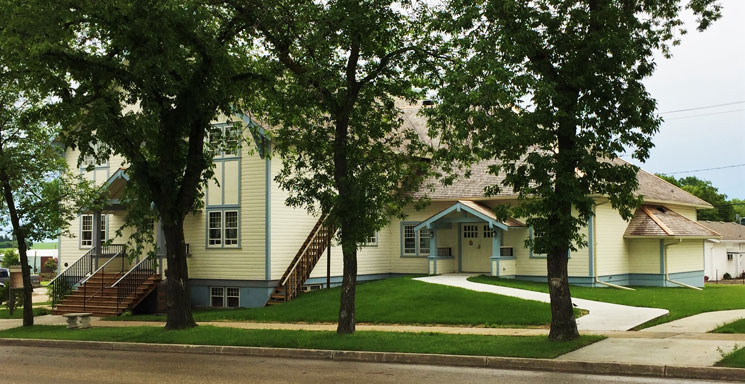
Manitou Opera House
Volunteers
Thank you to all the volunteers who have helped to build the Pembina Manitou Archive or supported its events since the archive was established. Special recognition should go to:
General Collection
- Dave Buchanan
- Leona DeVuyst
- Barrie Dobson
- Marg Remillard
- Felix Kuehn
- Pat Miles – Archibald
- Bette Mueller
- Brooklyn Nichol
- Cassandra Serle
- Lindy Sharpe
- Bruce Tascona
- Al Thorleifson
- Ashton Unrau
- Diana Vodden
- Wilma Wallcraft – Archibald
Obituary Collection
- The Manitou Western Canadian
- Ella Mueller
- Judy Young
Grave Photo Collection and Cemetery Records
- Shirley Carson
- Xander Klassen
- Muriel McIntosh
- Jaclyn Matchullis
- Pat Mitchell
- Sharon Moffatt
- Judy Young
Data Collection & Upload
- Leona DeVuyst
- Dale Dobson
- Carter Dow
- Xander Klassen
- Jaclyn Matchullis
- Muriel McIntosh
- Pat Mitchell
- Al Thorleifson
- Erin Thorleifson
- Loretta Thorleifson
- Skye Thorleifson
Thank you, as well, to the many people from here and away who have donated documents to the archive, and to the museums and archives of the region which have helped to grow the on-line collection.